
Fiddles: A Complete Guide to the Beloved String Instrument
The fiddle is one of the most iconic and versatile instruments in the world of music. Known for its expressive sound and rich history, it plays a central role in traditional, folk, bluegrass, Celtic, and country music. Though technically the same as a violin in construction, the term “fiddle” is typically used when referring to the instrument in a folk or traditional music context. For both beginners and experienced musicians, understanding the nuances of fiddles can open up a world of musical possibilities.
Understanding the Fiddle
At first glance, a fiddle looks identical to a violin. Both instruments have four strings tuned G-D-A-E and are played with a bow. However, fiddles are often set up differently to suit the playing styles and musical genres they are used in. For instance, fiddlers may prefer a flatter bridge to make it easier to play multiple strings at once, or a slightly different string tension to produce a brighter, more resonant sound suited for dance tunes.
The fiddle’s sound is characterized by its warmth, agility, and expressiveness. It can deliver fast, lively melodies for reels and jigs or soulful, haunting tunes for ballads. This adaptability is why the fiddle is treasured in many musical traditions around the world.
Types of Fiddles
While all fiddles are essentially violins, certain variations and setups are designed to enhance specific musical styles:
Celtic Fiddles: Often used in Irish and Scottish traditional music, these fiddles emphasize bright, lively tones perfect for dance tunes and ornamented melodies
Bluegrass Fiddles: Common in American bluegrass music, these fiddles are typically louder and more robust to cut through band arrangements, often featuring steel-core strings for projection.
Classical Fiddles: Essentially standard violins, these are used for orchestral and chamber music but can also be adapted for folk styles.Bluegrass Fiddles: Common in American bluegrass music, these fiddles are typically louder and more robust to cut through band arrangements, often featuring steel-core strings for projection.
Baroque Fiddles: Historically informed instruments that replicate older setups with gut strings and different bow shapes for period-specific performance.
Playing the Fiddle
Playing the fiddle requires a combination of technique, rhythm, and musical intuition. Fiddlers often use ornamentation such as slides, grace notes, and double stops to add character to their playing. In traditional music, many tunes are passed down by ear, encouraging improvisation and personal interpretation.
For beginners, it’s essential to start with basic bowing and fingering techniques before progressing to more complex rhythms and ornamentations. Many musicians also find learning tunes by ear beneficial, as it develops their musical memory and enhances stylistic understanding.
Choosing a Fiddle
When searching for a fiddle, several factors should be considered:
- Quality of Construction: Look for solid wood, well-crafted joints, and smooth fingerboards. The quality of craftsmanship significantly affects tone and playability.
- Sound and Tone: Test the instrument for resonance, clarity, and richness. The best fiddles produce a balanced tone across all strings.
- Setup and Strings: Consider the bridge height, string type, and bow quality, as these factors influence the ease of play and sound projection.
- New vs. Used: New instruments often come with warranties, while well-maintained used fiddles can provide excellent tone at a lower cost.
Music stores, online retailers, and specialty luthiers offer a wide selection of fiddles, catering to beginners, intermediate players, and professionals alike.
Caring for Your Fiddle
Proper care ensures your fiddle stays in optimal condition:
- Always store it in a sturdy case when not in use.
- Keep it away from extreme temperatures and humidity.
- Regularly check and maintain the bow, strings, and bridge.
- Clean the instrument gently after each use to preserve its finish.
Conclusion
The fiddle is more than just an instrument—it’s a cultural symbol and a vehicle for expression. Its versatility, melodic range, and ability to convey emotion make it indispensable in traditional and contemporary music. Whether you’re learning to play your first tune or looking to enhance your musical repertoire, a fiddle can provide years of enjoyment, creativity, and connection to rich musical traditions. By choosing the right instrument, understanding its nuances, and dedicating time to practice, you can fully embrace the timeless magic of the fiddle.

Fiddles: A Gateway to Joyful Music and Cultural Tradition
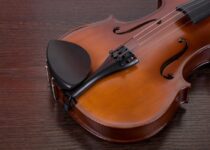
Fiddles For Jazz Music
Fiddles: Tradition, Sound, and Musical Heritage
About Author
